

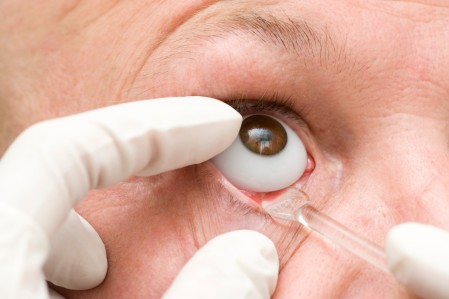
Understanding and Caring for Eye Fundus
What is the Eye Fundus?
The eye fundus is the back of the eye, visible when dilated. It includes the retina, optic nerve, macula, and blood vessels. Examining the fundus allows healthcare providers to assess the overall health of the eye and detect potential problems.
Causes of Eye Fundus Issues
Several conditions can affect the eye fundus, including:
- Diabetic Retinopathy: Damage to the blood vessels in the retina caused by high blood sugar levels.
- Age-Related Macular Degeneration (AMD): A progressive eye disease that affects the macula, a central part of the retina.
- Glaucoma: Increased pressure within the eye that can damage the optic nerve.
- Hypertension: High blood pressure can lead to changes in the blood vessels of the retina.
- Retinal Detachment: Separation of the retina from the underlying tissue.
Treatment for Eye Fundus Conditions
Treatment for eye fundus conditions varies depending on the underlying cause. Some common treatments include:
- Medications: To control blood sugar, blood pressure, or glaucoma.
- Laser Therapy: To seal leaking blood vessels or treat certain types of glaucoma.
- Surgery: In some cases, surgery may be necessary to repair retinal detachment or treat other eye conditions.
Exercises for Eye Health
While there’s no specific exercise regimen to directly improve eye fundus health, regular physical activity can help maintain overall health and reduce the risk of certain eye conditions. Exercises like walking, swimming, and yoga can contribute to a healthy lifestyle.
Diet for Eye Health
A healthy diet can support eye health. Consider incorporating these nutrients into your diet:
- Vitamins: Vitamins A, C, E, and lutein are essential for eye health.
- Minerals: Zinc and copper are important for maintaining healthy vision.
- Omega-3 Fatty Acids: Found in fish and flaxseeds, these fatty acids can help protect the eyes from age-related macular degeneration.
Regular Eye Exams
It’s crucial to schedule regular eye exams with an ophthalmologist. Early detection and treatment can help prevent vision loss and maintain overall eye health.
Remember, if you have any concerns about your eye health, consult with a healthcare professional.