
Type 1 Diabetes Care
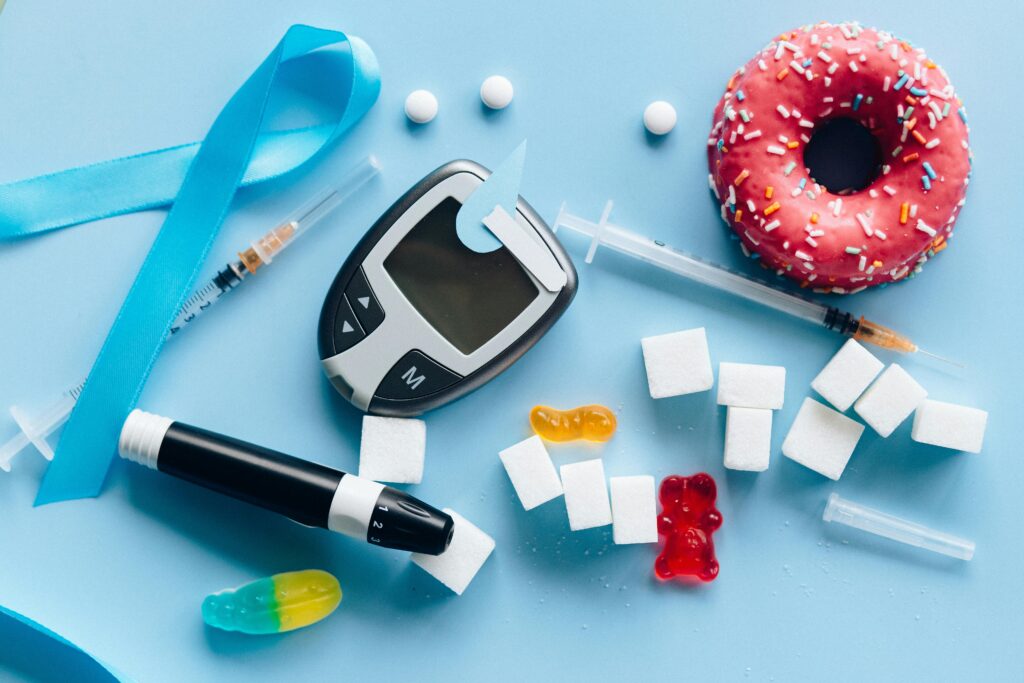
Understanding Type 1 Diabetes
Type 1 diabetes is an autoimmune condition where the body’s immune system mistakenly attacks and destroys the insulin-producing beta cells in the pancreas. This leads to a deficiency in insulin, a hormone essential for regulating blood sugar levels.
Causes
The exact cause of Type 1 diabetes remains unknown, but it is believed to be a combination of genetic and environmental factors. Some research suggests that viral infections or exposure to certain toxins may trigger the autoimmune response in susceptible individuals.
Treatment
The primary treatment for Type 1 diabetes is insulin therapy. This involves injecting insulin into the body to replace the insulin that the pancreas is unable to produce. There are various types of insulin available, including rapid-acting, short-acting, intermediate-acting, and long-acting. The choice of insulin depends on individual needs and preferences.
In addition to insulin therapy, effective management of Type 1 diabetes requires:
- Blood Sugar Monitoring: Regular blood sugar monitoring is essential to track how insulin is working and make adjustments as needed.
- Healthy Eating: A balanced diet rich in fruits, vegetables, whole grains, and lean proteins can help stabilize blood sugar levels. It’s important to be mindful of carbohydrate intake, as carbohydrates are the primary source of glucose in the bloodstream.
- Regular Exercise: Physical activity helps improve insulin sensitivity and can lower blood sugar levels. It’s crucial to consult with a healthcare provider before starting a new exercise regimen, especially if you have any underlying health conditions.
- Stress Management: Stress can affect blood sugar levels, so it’s important to find healthy ways to manage stress, such as relaxation techniques, meditation, or yoga.
Exercises for Type 1 Diabetes
Some suitable exercises for individuals with Type 1 diabetes include:
- Walking
- Swimming
- Cycling
- Yoga
- Tai Chi
- Low-impact aerobics
Diet for Type 1 Diabetes
Here are some tips for a diabetes-friendly diet:
- Eat a variety of fruits and vegetables.
- Choose whole grains over refined grains.
- Include lean proteins in every meal.
- Limit saturated and trans fats.
- Avoid sugary drinks and processed foods.
- Monitor your carbohydrate intake.
Remember, the key to managing Type 1 diabetes is to work closely with your healthcare team to develop a personalized treatment plan that meets your individual needs. By following your doctor’s recommendations and making healthy lifestyle choices, you can effectively manage your diabetes and enjoy a good quality of life.